How to Detect Real Salvatore Ferragamo Bags
As knockoff producers become more sophisticated, the divide separating a genuine Salvatore Ferragamo piece from a persuasive imitation has shrunk on particulars few buyers bother to inspect.
Whether you’re browsing a secondhand marketplace, an auction listing, or a shop claiming to hold excess inventory, the responsibility to check falls squarely on your shoulders.
So you can make purchases assuredly whether you’re after a timeless Gancini tote or a newer style spotted in a ferragamo shop this season, this breakdown covers the tangible, construction-based, and paperwork-related signs that distinguish the real thing from fakes.
Ferragamo bags are not cheap, and that price tag is exactly why fakes proliferate. A mid-range Salvatore Ferragamo bag can run well over a thousand dollars, and that markup creates enormous incentive for counterfeiters to replicate stitching, hardware, and packaging. The good news is that authentic craftsmanship leaves fingerprints that are hard to fully copy. Learning to read them takes patience, but it pays off every time you consider a secondhand or discounted purchase.
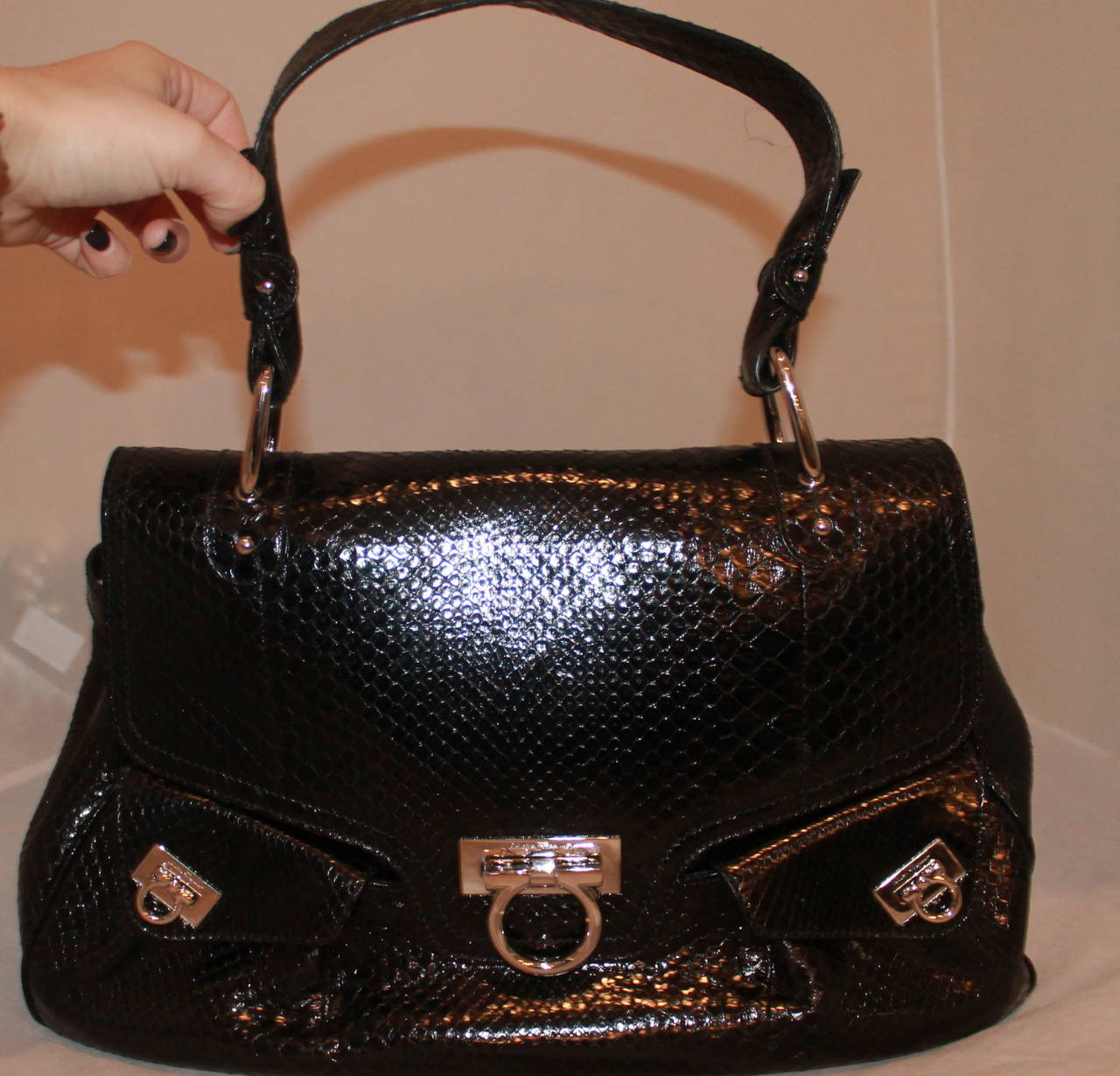
That Gancini Hardware Detail Is Where to Begin
The Gancini hardware — that stylized horseshoe-shaped hook — stands as the brand’s most iconic signature, found on bags, shoes, and belts ever since the brand first debuted it decades ago. Authentic examples showcase crisp, even edges and a heft that comes across as substantial rather than flimsy or lightweight. Fakes often use hardware that looks correct in photos but feels thin, overly shiny, or slightly warped https://ferregamo.net/handbags/ when you handle it in person. If you run a finger along the hook’s curve, you’ll notice that authentic hardware feels seamless and refined, with no rough seams from the casting process.
Color consistency matters too. Ferragamo typically finishes hardware in gold-tone or silver-tone plating that resists flaking even after years of use. Color fading, uneven plating, or a clasp that shifts in its housing should be treated as a red flag. A genuine Ferragamo bag’s clasp should snap shut and open with a confident click, rather than a rattly rattle. Fakers frequently approximate the silhouette but come up short on the clasp’s precision, since replicating the inner spring tension demands tooling most fake factories don’t invest in.
Additionally look at the spot where the Gancini fastens onto the strap or leather. Instead of being stuck on as a last-minute addition, authentic pieces show reinforced stitching or a metal loop correctly embedded into the leather in production. A metal fitting that shifts, leans, or displays glue residue below the surface is a clear clue you’ve found a fake instead of a authentic salvatore bag.
Check the Stitching, Leather, and Lining
How tight and evenly spaced the stitches are give away more than the average shopper suspects. Genuine Salvatore Ferragamo pieces use dense, uniform stitchwork with consistent thread tension throughout , with no dropped stitches, no exposed thread tails, and no bunching along the seams. If possible, tally the stitches per inch along a straight edge; spacing that’s off by even a stitch or two, is often a tell for factory-line fake construction rather than the controlled production Ferragamo enforces throughout its production facilities.
Another giveaway lies in leather quality. Be it smooth calfskin or a textured surface, Ferragamo relies on leather with a pronounced grain pattern and soft touch. It’s common for counterfeit pieces to be made with bonded or over-treated leather that feels stiff, overly glossy, or plasticky to the touch. Another useful test is scent: genuine leather carries a natural, faintly earthy scent, whereas synthetic substitutes tend to smell synthetic or rubbery, especially when the bag is new.
Don’t ignore the lining. Authentic ferragamo bags typically use a branded fabric or suede lining with the Ferragamo name or logo woven or printed cleanly, without smudging or misaligned lettering. Loose threads inside pockets, uneven lining seams, or a lining fabric that feels flimsy compared to the exterior craftsmanship all point toward a counterfeit. Pull open every interior pocket and check the base of the bag, since counterfeiters often cut corners in places buyers rarely inspect closely.
Logos, Serial Numbers, and Packaging: What to Check
Identifying marks are found on each authentic Salvatore Ferragamo bag, and locating them correctly is every bit as vital as recognizing what they should look like. Many bags come with a hide or textile label embossed with “Salvatore Ferragamo” and “Made in Italy,” usually located tucked inside an interior pocket or at a side seam. The font should be clean, evenly spaced, and consistent in weight — no fuzzy borders, no tilted or mismatched letter sizes, which is a common flaw in replica markings.
Batch or heat-stamp codes, when present, ought to correspond to the format used across legitimate factory output, and the location needs to come across as purposeful rather than carelessly sewn on. If you’re buying secondhand, request from the vendor for close-up images of those markings ahead of sealing the deal, and cross-check them with confirmed images from ferragamo’s official store or a legitimate authorized-dealer listing. Among the most reliable tells available to everyday buyers are discrepancies in font, letter spacing, or label fabric.
More than most people assume, packaging matters. A genuine ferragamo bag, fresh from purchase usually comes packaged with a dust bag crafted from soft, non-shiny fabric, typically shown in the brand’s signature color, together with care cards and at times an authenticity card citing the style. Counterfeit packaging frequently resorts to subpar fabric for its dust bags, mislabeled cardboard tags, or a complete absence of care instructions. Individually, these clues fall short of proof, however in combination they assemble a trustworthy picture.
Authentic vs. Knockoffs: A Speedy Rundown
Sometimes it helps to see the differences laid out side by side rather than scattered across paragraphs. The table below summarizes the most common distinguishing points buyers report when comparing counterfeit listings against verified Salvatore Ferragamo bags, based on details consistently flagged in authentication communities and resale platforms.
| Detail | Genuine Salvatore Ferragamo | Common Counterfeit Warning Markers |
|---|---|---|
| Gancini metalwork | A weighty, smoothly cast piece of hardware that snaps closed securely | Cheap metal that feels thin, paired with a loose clasp |
| Seam work | Uniform spacing, no loose threads | Stitches that drift unevenly and leave exposed thread tips |
| Hide quality | A pliable hand-feel with natural grain and a subtle leather scent | Rigid and shiny, with a synthetic chemical odor |
| Inner label | The “Made in Italy” imprint rendered in a clean font | Smudged or off-center text |
| Protective bag | A logo-marked bag made of soft material in exactly the correct color | Fabric that feels thin or looks glossy, in a mismatched hue |
| Cost level | Priced reasonably in step with typical retail or resale rates | Suspiciously low-priced given the style |
Reliable Spots to Buy
When you shop resale or auction sites instead, give preference to sellers providing close-up pictures, return policies, and independent verification services, since credible sites frequently employ experts who examine stitching, hardware, and tags before posting a bag for purchase.
Price is another indicator worth reading, even if it’s not foolproof. A genuine salvatore ferragamo bag seldom turns up at just a sliver of what it should command on resale, so deals that look suspiciously generous usually be exactly that. Compare the piece with recognized best ferragamo bags and top ferragamo bags rankings to understand usual value ranges before you commit, most notably for styles no longer in production where limited availability can otherwise obscure prices that are either overblown or oddly cheap.
Rather than trust fixed pictures—which counterfeiters can manipulate to conceal defects—when uncertain, request a video call with the vendor so seams, hardware movement, and tags can be inspected in real time. Plenty of savvy purchasers also hold onto a private set of criteria drawn from a more comprehensive ferragamo bags overview, cross-checking new listings against confirmed real specimens they’ve come across or studied in the past. On its own, that habit uncovers a notable number of fakes prior to the transaction being completed.
Reinforcing Buyer Confidence for the Long Haul
Spotting a fake becomes less difficult as you handle more authentic pieces, so if a boutique is within reach, set aside time to examine a handful up close even if buying isn’t imminent. Test the heft of the hardware, examine the stitching in strong lighting, and observe how the leather reacts to a gentle flex. That tactile memory becomes your best tool the next time you’re evaluating a listing online since you can’t physically inspect the item.
It also helps to follow style-specific research prior to committing to a buy, because certain top salvatore ferragamo bags feature build details linked to when they were made. A bag sourced from a past collection may use different lining fabric or tag placement compared to a newer release, and being aware of this stops you from mistaking a genuine vintage item for a counterfeit merely due to its departure from current manufacturing conventions.
In the end, authentication is about pattern recognition formed through various details—hardware weight, stitching precision, leather feel, tag accuracy, and packaging quality—as opposed to depending on a lone check. Each single check has its limits, but if half a dozen or so details all correspond to an authentic Salvatore Ferragamo bag, your trust in the buy ought to be strong. Treat every listing with careful method, ask sellers for the photos you need, and don’t rush a decision involving this level of investment.